Honest. Then Positive.
We hear it all the time—
Be body positive.
But living at peace in your own skin?
That’s a different kind of labor.
We reach for rituals—
self-care, affirmations,
a podcast humming in the background.
They help, sometimes.
But rarely touch the root.
Because the way we come to see ourselves—
the lens through which we measure our worth—
is shaped slowly,
subtly,
systemically.
Long before we have words to name it.
And often,
the struggle hides in silence.
Not a bold declaration.
Sometimes, just a whispered plea:
Please let this body be enough today.
Mantras echo from every corner:
Be perfectly imperfect.
Shine your brightest self.
Love your flaws.
But how often do they reach the hidden places—
the ones we shield,
even from ourselves?
What’s become clear over time—
body positivity isn’t about loving yourself at all costs.
Not at the expense of honesty.
Yes, we come in a beautiful range
of shapes, sizes, and stories.
And yes—embracing the body matters.
But so does caring for the mind
that lives inside it.
Because thoughts—
about self,
about worth,
about need—
have weight.
And that weight
carries us,
or crushes us.
For me,
it’s still a daily reckoning.
The mirror doesn’t tell the whole story.
You’ll never quite see yourself
the way someone who loves you does.
Inside you:
a whole cosmos—
longings,
memories,
needs.
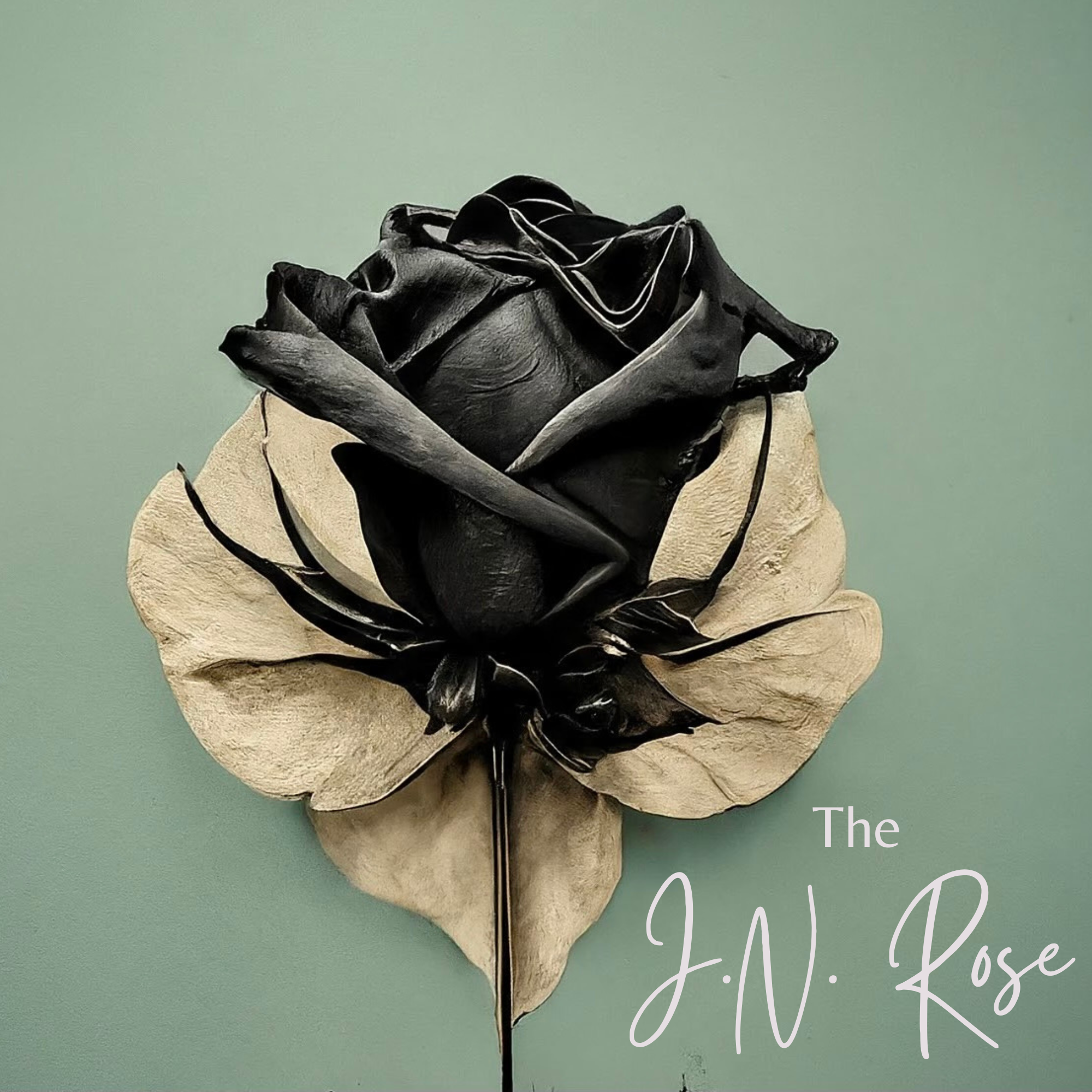
You are a living bloom.
Eternal.
Singular.
And maybe—
maybe that’s worth noticing.
Self-kindness,
rooted not in performance,
but in presence.
Because eating isn’t just about hunger.
It’s about what we learned at the table.
About the silences we swallowed in childhood.
The diets we shared with friends.
The numbness we practiced
instead of feeling.
Sometimes food is comfort.
Sometimes rebellion.
Sometimes it’s a language
when words are too hard.
Most days,
we aren’t just feeding our bodies.
We’re trying to soulfully survive.
That quiet place—
that’s where acceptance begins.
The way we dress,
speak,
carry ourselves—
it’s never random.
We are intention,
wrapped in skin.
I remember being young—
watching how attention worked.
How beauty
seemed to equal worth.
The message wasn’t spoken,
but I received it loud and clear.
So I adapted.
Shrank.
Modified.
I chased thinness like a formula.
As if it held the key
to being chosen.
And when I “succeeded,”
I felt like a fraud.
The lie had taken root.
And I lived by its code.
But the cost was steep.
Obsession.
Guilt.
Punishment.
Shame.
A loop.
Unseen.
Exhausting.
I chased taste like it might fill something.
And then I punished myself
for the hunger.
I didn’t know it at the time,
but the seed was planted
years earlier.
One moment of rejection.
One body
that didn’t match what a boy wanted.
And I thought:
There’s something wrong with me.
That seed grew.
Rooted itself deep.
And twenty-six years later,
I finally saw it for what it was:
Trauma.
Not vanity.
Not self-obsession.
Trauma.
I had misunderstood the rejection.
Internalized it.
And in doing so,
I overlooked the people who did see me—
who truly valued me.
But by then,
the root had already spread.
And unlearning that?
That’s slow work.
I may never fully undo the betrayal
I committed against myself—
against my body and my mind.
I still feel the pull.
Still find myself
wishing I were thinner.
Still haunted by the old scripts.
But now—
I notice.
I pause.
I catch the instinct mid-step.
I get curious,
not cruel.
And in that flicker—
a shift.
Not a fix.
Just
a soft turning.
A seed of awareness.
And maybe that’s where something real begins.
Not perfection.
But presence.
Loving your body—
not as a protest,
or a performance,
but as an unfolding truth—
It starts with seeing.
Really seeing.
The parts you were told to hate.
The parts you learned to fear.
Not liking them.
Just noticing.
Not forcing a mantra.
Just wondering:
Where did this belief come from?
Whose voice is that?
Because our relationship with food—
with mirrors—
with memory—
is layered.
And layered things
take time.
So maybe it isn’t about doing more.
Maybe it’s about listening.
To yourself.
To your patterns.
To the ache that lives beneath the impulse.
We say,
“I’ll never be perfect.”
But even that phrase has worn thin.
So what if—
instead of striving
or resisting—
you simply let your heart lead?
A heart doesn’t beg.
It doesn’t pose.
It beats.
Steady.
Vital.
Unapologetic.
That kind of rhythm
takes time to hear.
Especially when the world
is still a playground.
Still a stage.
Still measuring us
against an ever-shifting standard.
But even the standard?
It’s insecure, too.
And seeing that—
really seeing it—
makes everything
a little lighter.
So here you are.
Alive.
Aware.
Sitting quietly with yourself,
honestly.
Maybe
that’s enough positivity
for now.
If you’re struggling with an eating disorder—or even just questioning your relationship with food and your body—there is help available, and you’re not alone in this. Whether it’s binge eating, restricting, purging, obsessive thoughts, or feeling overwhelmed by body image issues, there are paths to healing that are compassionate and effective.
Here are a few supportive steps you might consider:
1. Talk to a Professional
- A therapist, especially one trained in eating disorders or trauma-informed care, can help you unpack the emotional layers beneath the behavior.
- A registered dietitian who specializes in disordered eating can help rebuild a healthy relationship with food.
2. National and Online Resources
If you’re in the U.S., here are a few trusted organizations that offer hotlines, resources, and directories:
- NEDA (National Eating Disorders Association): nationaleatingdisorders.org
- Helpline: 1-800-931-2237 (or text “NEDA” to 741741 for crisis support)
- ANAD (Association for Anorexia Nervosa and Associated Disorders): Free support groups and mentorship programs – anad.org
- Project HEAL: Helps individuals access treatment when finances are a barrier – theprojectheal.org
3. Community and Support
Sometimes connecting with others who understand can be a huge step forward. Consider:
- Support groups (many are virtual now)
- Online communities focused on recovery (like ED-recovery spaces on Reddit or Facebook)
- Podcasts or books from survivors and professionals (I can suggest a few if you’d like)
4. Be Gentle With Yourself
Recovery isn’t linear. You don’t need to have all the answers today. Even recognizing there’s something not sitting right is a sign of strength and self-awareness.
 J.N. Rose